Every Child Deserves a Great Teacher
The persistent global challenge of education quality, deeply rooted in systemic inequities and disparities in resources for marginalized communities, is starkly illustrated by national assessments from different parts of the world. In India, the Annual Status of Education Report (ASER) 2024 paints a concerning picture: despite efforts, 68% of fifth graders cannot perform simple subtraction, and only 59.4% can read a second-grade book. This is particularly acute in public schools, where only 29.7% of fifth graders can manage basic division, leaving a staggering 70% struggling.
Across the globe, the 2024 National Assessment of Educational Progress (NAEP) in the United States reveals a parallel decline in educational achievement, with the share of fourth-grade students meeting reading proficiency standards dropping from 35% in 2019 to 30% in 2024, and those below the basic level increasing from 34% to 40%. Worryingly, the data from both ASER in India and NAEP in the US strongly suggest that these learning deficits are disproportionately concentrated among students from disadvantaged backgrounds, highlighting the global impact of systemic inequities.
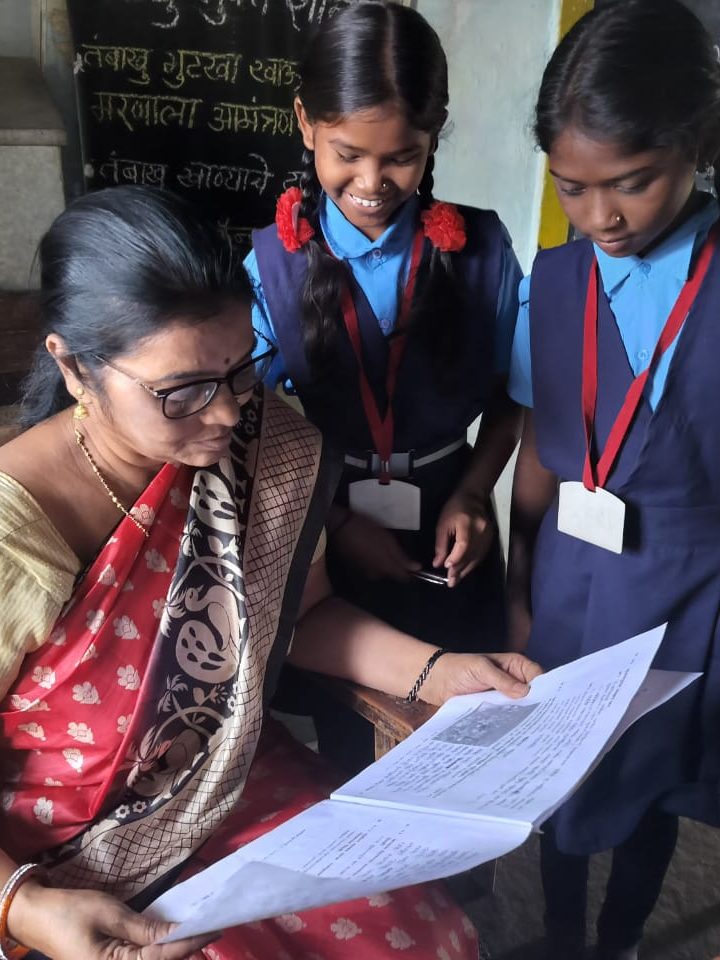
Adding to this complex scenario are pervasive issues related to teacher quality. Shortages of adequately qualified educators, coupled with insufficient pre-service training programs and limited opportunities for ongoing professional development, frequently compromise the effectiveness of instruction. In India, organizations such as CEQUE directly intervene to address this critical aspect by directly engaging with teachers in public schools. Their efforts focus on enhancing teachers’ capabilities and skill sets, ultimately aiming to improve their instructional effectiveness. Furthermore, the challenge of low teacher morale, often stemming from demanding working conditions and a lack of adequate support, further exacerbates the disadvantages faced by students in underserved regions.
CEQUE US is dedicated to tackling these overarching global educational challenges that impede the health and overall well-being of children, families, and their wider communities. To achieve sustainable and meaningful change within these communities, the organization conducts independent research that carefully considers local community culture, existing relationships, and relevant policies.
This rigorous research informs the generation of knowledge and data, grounded in both educational theory and practical experience. The ultimate aim is to provide robust support for the development and implementation of evidence-based policies, effective tools, and targeted interventions designed to bridge the persistent gaps in access to opportunities for individuals from underrepresented and underserved backgrounds.
Driving Equitable Education Globally
Recognizing these challenges, CEQUE US is committed to driving equitable education through a nuanced, locally-driven approach
Focus: Addressing global education challenges impacting well-being and conducting community-focused research for sustainable change.
Empowering Communities: Committed to helping marginalized communities overcome educational barriers.
Evidence-Based Action: Generating knowledge to support policies and interventions that close opportunity gaps for underserved communities.
Strategic Partnerships: Building strong relationships with grassroots organizations, deeply understanding their contexts.
To this end, our core strategy involves building strong partnerships with grassroots organizations, deeply understanding their communities’ unique challenges and cultural contexts. By directly collaborating with impactful local entities like CEQUE in India, CEQUE US aims to amplify their efforts and provide the necessary resources and support to tangibly improve the lives of students from underrepresented and underserved backgrounds. This work directly aligns with Sustainable Development Goal 4, “Ensure inclusive and equitable quality education and promote lifelong learning opportunities for all.” Our commitment remains to fostering equitable access to quality education, ultimately contributing to brighter futures and more thriving communities, echoing SDG 4’s aim to provide free, equitable, and quality education while eliminating disparities and ensuring equal access for vulnerable groups.
 CEQUE US